

Comprehensive Guide to Website Redesign for Small Businesses
What Makes Website Redesign Essential for Business Success?
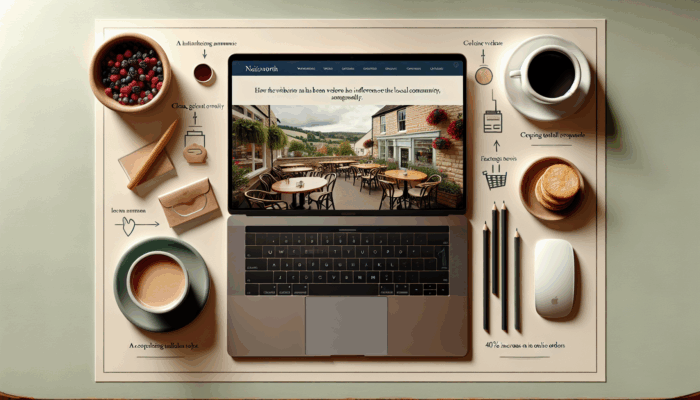
Expert Website Redesign in Nailsworth for Small Businesses: Revamping a website is vital for small enterprises striving to maintain a competitive edge in today's dynamic market. A successful website redesign in Nailsworth, Gloucestershire, for small businesses significantly enhances the user experience, directly influencing engagement and conversion rates. For example, a local café in Nailsworth experienced a remarkable 40% surge in online orders within just three months after revamping its website. This transformation resulted from an interface that streamlined menu navigation and an aesthetic that resonated with the community's preferences, showcasing the power of an effective redesign.
Outdated designs can discourage potential customers, pushing them to seek alternatives. By refreshing their online presence, businesses not only enhance functionality but also boost their visibility in the digital landscape. This is particularly crucial in the competitive UK market, where consumers expect seamless digital interactions. A redesigned website can act as a formidable marketing tool, attracting more visitors and converting them into loyal patrons.
Additionally, the redesign process frequently integrates superior search engine optimisation (SEO) strategies that align with UK standards, resulting in increased organic traffic. For instance, a boutique in Nailsworth witnessed a significant rise in its Google rankings after optimising its website for local searches, leading to greater foot traffic and online sales. Ultimately, the significance of website redesign transcends aesthetics, focusing on creating a digital environment that promotes growth and enhances customer satisfaction.

What Key Elements Should Small Businesses Consider in Their Redesign?
When embarking on a website redesign journey, small businesses must consider several critical elements to ensure success. Firstly, evaluating the current site's performance is paramount. Tools like Google Analytics can pinpoint areas that require improvement, such as sluggish loading times or elevated bounce rates. For instance, a local estate agent in Nailsworth enhanced its site performance by recognising that unclear navigation frustrated users, leading to a comprehensive redesign that prioritised usability.
Incorporating responsive design principles is also essential, as a large proportion of users access websites via mobile devices. A well-optimised mobile site not only enhances user experience but also aligns with Google's mobile-first indexing strategy, which is particularly relevant in the UK context. This shift in focus can dramatically improve engagement rates, as users are more inclined to remain on a site that is easy to navigate on their smartphones.
Lastly, ensuring that the redesign reflects the brand's identity solidifies the business's online presence. A consistent appearance across all platforms—including social media—reinforces brand recognition and builds trust. Small businesses should guarantee that colour schemes, typography, and imagery authentically represent their unique identity and appeal to their target demographic in Nailsworth. By concentrating on these elements, businesses can develop a site that effectively attracts visitors and converts them into devoted customers.
What Current Trends Should Small Businesses Follow in Web Design?
Staying abreast of emerging trends in web design is crucial for small businesses to remain competitive. One prominent trend is the adoption of a mobile-first approach. With over 50% of web traffic originating from mobile devices, prioritising mobile design is essential for small enterprises in Nailsworth. This strategy mandates that websites are crafted with mobile users in mind first, guaranteeing a seamless experience that meets contemporary consumer expectations.
Fast-loading pages are another vital trend. Users exhibit minimal patience for slow websites, often abandoning a page if it takes more than three seconds to load. Employing techniques such as image compression and leveraging browser caching can considerably decrease load times. For instance, a florist in Nailsworth that overhauled its website to optimise load speed observed a marked reduction in bounce rates, leading to increased sales and enhanced customer satisfaction.
Furthermore, intuitive interfaces are gaining traction. Businesses now emphasise user experience (UX) design that eliminates unnecessary steps in the purchasing process. Streamlined navigation and clear calls to action enhance user engagement, guiding visitors toward desired actions. For example, a local artisan shop implemented simplified navigation menus, resulting in a 30% boost in product page views. Remaining updated with these trends ensures that small businesses in the UK can effectively attract and retain customers, catering to local market demands while enhancing their overall online presence.
Expert Strategies for Website Redesign Tailored for Small Businesses in Nailsworth

What Strategies Can Ensure Effective Redesign Planning?
To achieve optimal results from a website redesign, small businesses must adopt strategic planning methods. One essential step is to establish a clear budget that effectively allocates resources. This budget should encompass design, development, and potential marketing costs post-launch. For instance, a local bakery in Nailsworth successfully set a £5,000 budget for its redesign, allowing for creative flexibility while ensuring all necessities were addressed.
Setting a realistic timeline is equally important. A well-structured timeline helps businesses manage expectations and coordinate with designers and developers. Small businesses should aim for a phased approach, dividing the process into manageable milestones. For example, completing the initial design phase within two months, followed by development and testing over the next month, allows for thorough evaluation and necessary adjustments.
Implementing UK-specific SEO practices during the redesign is crucial for enhancing search rankings. This includes local keyword optimisation, updating meta tags, and ensuring that all content is relevant to the target audience. Businesses should conduct keyword research focused on local searches to attract nearby customers. Additionally, avoiding common pitfalls such as neglecting user feedback or failing to test the site thoroughly can save time and resources in the long run. By employing these strategies, small businesses can ensure that their redesign is not only aesthetically pleasing but also functional and aligned with their growth objectives.
How Can Small Businesses Choose the Right Design Tools for Their Redesign?
Selecting the appropriate design tools is critical for a seamless website redesign process. Small businesses should assess options that support customisation, scalability, and integration with existing systems. Tools such as WordPress, Wix, and Squarespace offer user-friendly interfaces and templates tailored for small businesses, simplifying the design process without requiring extensive coding skills. For instance, a graphic designer based in Nailsworth utilised WordPress to create an engaging portfolio site that showcases her work while allowing for easy updates.
Another essential consideration is ensuring that the chosen tools comply with established UK industry norms, particularly concerning data protection laws and accessibility guidelines. Tools should facilitate compliance with the General Data Protection Regulation (GDPR) and the Web Content Accessibility Guidelines (WCAG). For example, using platforms that offer built-in accessibility features allows businesses to create inclusive websites that cater to all users, including those with disabilities.
Integrating analytics tools, such as Google Analytics or Hotjar, is also vital to track user behaviour and engagement. These insights can inform ongoing adjustments post-launch, ensuring that the site remains relevant and functional. Moreover, collaborating with a professional web designer or agency can provide additional expertise in selecting tools that best fit the business’s unique needs, ultimately improving site performance. By making informed decisions about design tools, small businesses in Nailsworth can achieve a successful redesign that meets their goals and enhances user experience.
What Are the Benefits of Engaging Professional Expertise for Website Redesign?
Hiring professionals for website redesign offers numerous advantages that can significantly impact small businesses. Firstly, industry experts provide tailored solutions that cater to the unique needs of each enterprise. Local designers in Nailsworth possess a deep understanding of regional preferences, ensuring that the final product resonates with the target audience. For example, a local furniture store collaborated with a web design agency to create a visually stunning site that reflected its brand identity, leading to a noticeable increase in online inquiries.
In addition to custom solutions, professional expertise often results in increased efficiency throughout the redesign process. Web designers and developers are well-versed in best practices and industry standards, allowing them to identify potential issues early and implement effective solutions. This experience can save time and resources, enabling small businesses to concentrate on their core operations while experts handle the technical intricacies.
User satisfaction is another significant benefit of professional redesign services. A well-executed redesign that prioritises user experience can lead to higher engagement rates and customer loyalty. For instance, a café in Nailsworth that enlisted professional assistance to revamp its website reported a remarkable improvement in customer feedback regarding site usability. With proven UK case studies highlighting the positive impact of professional expertise, small businesses can confidently invest in expert services to enhance their online presence and drive growth.
How Can Website Redesign Drive Growth for Small Businesses?
What Are the Key Advantages of Redesigning for Business Growth?
The key advantages of website redesign for small businesses are varied and play a significant role in driving growth. Firstly, a well-implemented redesign can significantly increase website traffic, resulting in enhanced sales. An improved user interface, coupled with engaging content, encourages users to delve deeper into the site. For instance, a local gift shop in Nailsworth that revamped its website experienced a 50% increase in web traffic after improving navigation and updating the visual appeal of its product pages.
Moreover, a redesign can solidify a business's brand identity, making it more recognisable in a competitive landscape. A strong online presence fosters trust and credibility among potential customers, persuading them to choose one business over its rivals. For example, a personal trainer based in Nailsworth witnessed substantial growth in client inquiries after updating her website to reflect her brand and services better.
Additionally, a redesign can enhance conversion rates by streamlining the purchasing process. By implementing clear calls to action and minimising the steps needed to complete a transaction, businesses can effectively guide users toward making a purchase. This aspect is particularly pertinent for e-commerce sites, where even minor adjustments can yield significant impacts on sales figures. Overall, the benefits of website redesign extend beyond mere aesthetics, providing small businesses in Nailsworth with the essential tools for sustained growth and engagement.
What Factors Influence the Return on Investment from a Website Redesign?
Several key factors influence the return on investment (ROI) of a website redesign for small businesses. Cost-effective updates are essential; investing in a redesign should yield measurable financial benefits. Small enterprises can achieve higher ROI by concentrating on targeted marketing initiatives that closely align with the features of the new website. For instance, a local bakery in Nailsworth that implemented targeted social media campaigns alongside its redesign observed a 35% increase in online sales.
Another crucial factor is understanding local consumer behaviour. Tailoring the website to meet the expectations of the local market can enhance profitability. For instance, implementing local SEO strategies, such as optimising for relevant keywords, can improve visibility in search results, attracting more local customers. This approach is particularly effective in areas like Nailsworth, where community engagement is vital for business success.
Furthermore, leveraging analytics tools post-launch allows businesses to refine their marketing strategies based on real-time data. Monitoring traffic sources, visitor demographics, and engagement metrics can inform future campaigns and website updates. Key benefits to consider when evaluating the ROI of a website redesign include:
- Increased web traffic from enhanced SEO
- Higher conversion rates through improved user experience
- Reduced bounce rates due to engaging content
- Enhanced brand awareness and credibility
- Cost savings from streamlined processes
- Better alignment with local consumer preferences
- Improved analytics for data-driven decisions
- Greater customer satisfaction and loyalty
By concentrating on these factors, small businesses can maximise their investment in a website redesign and establish a sustainable path for growth.
What Long-Term Impacts Can a Redesign Have on Business Operations?
A well-executed website redesign can profoundly affect business operations for small enterprises. One of the most significant benefits is streamlining internal processes, allowing businesses to operate more efficiently. By integrating systems, such as e-commerce platforms or customer relationship management (CRM) tools, the redesigned site can simplify operations, enabling staff to focus on core activities rather than administrative tasks. For instance, a retailer in Nailsworth that integrated stock management into its website experienced a considerable reduction in inventory discrepancies and improved order fulfilment times.
Scalability is another critical aspect of a successful redesign. As small businesses grow, their websites must adapt to accommodate increased traffic and additional features. A flexible design can facilitate this growth by making it easier to implement updates or expand service offerings. For example, a local consultancy that initially launched with a simple site successfully expanded its online presence after redesigning to include new service pages and testimonials, thereby attracting a broader clientele.
Moreover, a well-designed website supports compliance with ongoing UK regulations, particularly regarding data protection and accessibility. By staying updated with legal requirements, businesses can avoid potential fines and foster trust with customers. Regular assessments of the website for compliance ensure that small enterprises maintain credibility and a positive reputation in their community. Ultimately, the long-term impacts of a website redesign extend beyond immediate aesthetic improvements, positioning small businesses for sustained success in an ever-evolving digital landscape.
Research-Based Advantages of Expert Website Redesign in Nailsworth for Small Enterprises
What Evidence from UK Studies Highlights Redesign Success?
Research demonstrates that effective website redesign can lead to significantly higher conversion rates for small businesses. UK studies indicate that companies investing in professional redesigns often experience increased sales, improved customer retention, and enhanced brand loyalty. For instance, a recent study revealed that businesses implementing user-focused design principles experienced a 30% rise in online transactions within three months of launching their new websites.
Additionally, data from local research underscores the importance of aesthetics and functionality in driving user engagement. Businesses that prioritise a clean, modern design report lower bounce rates and elevated customer satisfaction levels. A Nailsworth-based artisan bakery, after redesigning its website to boost visual appeal and simplify navigation, noted a 25% decrease in bounce rates, resulting in longer session durations and ultimately increased sales.
These research findings emphasise the necessity for small businesses to invest in their online presence actively. By leveraging evidence-based strategies, companies can optimise their digital marketing efforts and enhance their overall brand image. The correlation between effective redesign and measurable success reinforces the importance of approaching website updates with a strategic mindset, concentrating on user experience and functionality to drive growth.
How Can Businesses Measure User Engagement Following a Redesign?
Measuring user engagement after a redesign is vital for assessing the effectiveness of the changes implemented. Key metrics to monitor include bounce rates, session durations, and conversion rates. Bounce rates indicate the percentage of visitors who leave the site after viewing only one page; a significant drop in this metric post-redesign typically signifies enhanced user engagement. For instance, a bookstore in Nailsworth that revamped its website observed a decrease in its bounce rate from 60% to 30%, indicating that visitors were spending more time exploring various sections of the site.
Session duration is another valuable metric. An increase in the average time a user spends on a site can suggest that the content and layout have successfully captured interest. Tools like Google Analytics provide insights into user behaviour, empowering businesses to assess engagement levels effectively. For example, a local craft shop that overhauled its online store experienced a 40% rise in session durations, demonstrating that customers were more engaged with the new content and layout.
Conversion rates serve as the ultimate measure of engagement, reflecting the success of the redesign in driving user actions. By implementing tracking codes on critical actions, such as completing a purchase or signing up for a newsletter, businesses can evaluate the impact of their redesign efforts. Regularly analysing these metrics enables small businesses in Nailsworth to further refine their websites based on user feedback and performance insights, ensuring ongoing improvement and relevance in a competitive market.
What Role Does SEO Play in Maximising Redesign Benefits?
Incorporating SEO into the website redesign process is crucial for maximising visibility and traffic. An SEO-focused redesign enhances a website's chances of ranking higher in search engine results, providing small businesses with a competitive advantage. Key practices include optimising page titles, meta descriptions, and alt tags for images to align with local search trends. For example, a Nailsworth gift shop that integrated targeted keywords into its product descriptions experienced a 50% increase in organic search traffic following the redesign.
Another essential aspect of SEO is ensuring that the site is mobile-friendly. Since Google prioritises mobile-first indexing, a responsive design is imperative. Small enterprises should ensure their redesigned sites are optimised for various devices to cater to a broader audience. Implementing structured data can also enhance search engine visibility, helping businesses appear in rich snippets and local packs.
Regularly updating content and incorporating a blog can further bolster SEO efforts. Fresh, relevant content not only engages users but signals to search engines that the site is active and valuable. For example, a health store in Nailsworth that began blogging about wellness topics alongside its product offerings experienced improved rankings and increased site authority. By integrating SEO strategies from the outset and maintaining ongoing optimisation efforts, small businesses can leverage proven techniques that align with UK search engine algorithms, ultimately driving traffic and conversions.
What Are the Benefits of Enhanced Mobile Responsiveness for Nailsworth Businesses?
Research highlights the significance of mobile-optimised redesigns for small businesses, with local studies showing that such enhancements lead to increased accessibility and user satisfaction. For example, a café in Nailsworth that revamped its website to prioritise mobile responsiveness reported a considerable improvement in customer feedback regarding ease of use. The redesign included features like click-to-call buttons and easy-to-navigate menus, catering to an on-the-go audience.
Furthermore, businesses focusing on mobile optimisation often experience higher engagement rates. The café observed a 60% increase in mobile orders within weeks of launching the redesigned site, demonstrating the direct correlation between a mobile-friendly experience and customer behaviour. This trend reflects broader consumer habits, as many users now prefer browsing and shopping via smartphones.
Implementing responsive design not only enhances user experience but also improves local SEO, as search engines reward mobile-friendly sites with better rankings. A well-designed mobile site allows small businesses in Nailsworth to tap into the local market effectively, attracting more customers who rely on their devices for information. By prioritising mobile responsiveness, businesses can create an inclusive online environment that fosters long-term customer loyalty and satisfaction.
How Does Redesign Impact Local SEO and Community Visibility?
The effect of a website redesign on local SEO and community visibility is significant. Targeted redesigns that focus on local search optimisation can dramatically enhance a business's presence in search engine results. By incorporating location-specific keywords and optimising Google My Business listings, small businesses in Nailsworth can attract more nearby customers. For instance, a local florist that revamped its website to highlight local delivery options and included geo-targeted keywords experienced a 70% increase in local search visibility.
Beyond improving SEO, a redesign can foster greater community engagement. By showcasing local partnerships or community involvement on the website, businesses can resonate with their audience. A bakery in Nailsworth that highlighted its sourcing of local ingredients in its redesign not only enhanced its SEO but also strengthened its connection with the community, resulting in increased foot traffic and online orders.
Additionally, integrating local customer testimonials and reviews directly onto the website can enhance credibility and trust. Potential customers are more likely to choose businesses with positive local references. By focusing on these strategies during a redesign, small enterprises can build a robust online presence that attracts and retains local clientele, ultimately enhancing their overall visibility and success within the community.
What Are the Essential Steps for Redesigning a Website?
How to Conduct an Initial Assessment of Existing Sites?
Performing a comprehensive audit of the existing site is the first step in a website redesign. This process involves identifying strengths and weaknesses, allowing small businesses to prioritise changes that enhance functionality and user appeal. Tools like Google Analytics can provide valuable insights into user behaviour, highlighting areas where visitors drop off or encounter challenges. For example, an assessment may reveal that a shop in Nailsworth has an overly complicated checkout process, prompting a redesign to simplify the user experience.
Moreover, evaluating the site's content is critical. Businesses should identify which pages perform well and which do not, ensuring that valuable content is retained and optimised. A local provider of outdoor gear, upon reviewing its website, discovered that its blog posts on hiking trails attracted significant traffic. This insight led to a redesign that featured these posts more prominently, enhancing user engagement and driving traffic.
Furthermore, assessing technical aspects such as site speed and mobile compatibility is crucial. Slow load times can deter potential customers, while a lack of mobile responsiveness can alienate a growing segment of users. By addressing these technical issues, small businesses in Nailsworth can ensure their redesigned sites meet modern standards and provide a seamless experience for all users. Overall, the initial assessment lays the groundwork for a successful redesign by providing actionable insights that inform decision-making.
Why Is It Important to Involve Stakeholders Early in the Redesign Process?
Engaging stakeholders early in the redesign process is critical for aligning goals with business objectives. Bringing together key personnel, such as team members from marketing, sales, and customer service, fosters collaboration that results in a more effective final product. For instance, a printing company in Nailsworth that included input from various departments during its redesign effectively addressed customer pain points, leading to a site that better served its audience.
By gathering insights from diverse stakeholders, businesses can ensure that the redesign reflects the needs and preferences of their target market. This collaborative approach allows for a comprehensive understanding of user expectations, ultimately resulting in a more user-friendly design. Key stakeholder roles may include:
- Marketing team: to align branding and messaging
- Sales team: to provide insights on customer preferences
- Customer service: to highlight common customer queries and challenges
- IT department: to ensure technical feasibility and compliance
Furthermore, early involvement promotes a sense of ownership and buy-in among team members, facilitating a smoother transition once the redesign is implemented. By engaging stakeholders from the outset, small businesses can create a cohesive vision for their website that aligns with overall business goals, ultimately enhancing the success of the redesign.
What Are the Final Testing and Launch Procedures for a Redesigned Website?
Final testing is an essential phase in the website redesign process, ensuring that everything functions seamlessly before launch. Small businesses should conduct thorough testing to address potential issues, helping guarantee a smooth launch. This includes checking for broken links, validating forms, and ensuring all multimedia elements display correctly. For example, a coffee shop in Nailsworth performed extensive testing on its new site, which helped identify minor bugs that could have hindered user experience if left unaddressed.
User acceptance testing (UAT) is another important step. Involving real users to interact with the site can uncover usability issues that may not be evident to the development team. Gathering feedback from stakeholders and potential customers allows businesses to refine the site based on real-world use cases, ensuring it meets user expectations.
Once testing is complete and any issues are resolved, launching the redesigned website involves notifying customers and stakeholders. This can include email campaigns, social media announcements, and updates to local business directories. A Nailsworth art gallery that successfully launched its redesigned site saw a spike in visitor engagement following a well-executed launch campaign, illustrating the importance of communication in driving initial traffic to the new site.
How to Design an Intuitive User Interface and Experience?
Designing the user interface (UI) and user experience (UX) is a pivotal aspect of the website redesign process. The objective is to create an intuitive and visually appealing interface that enhances user satisfaction. This begins with sketching wireframes and prototypes, allowing for a clear roadmap of the site's layout and functionality. For example, a craft shop in Nailsworth developed several wireframes to test different navigation structures, ensuring that users could easily find products and information.
Adhering to UK accessibility guidelines is essential during the design phase. This includes ensuring that colour contrasts are sufficient, images have descriptive alt text, and the site is navigable via keyboard for users with disabilities. By prioritising accessibility, small businesses can create an inclusive environment that caters to all customers, ultimately broadening their audience.
Moreover, businesses should focus on visual appeal to attract and retain users. Selecting a cohesive colour scheme, typography, and imagery that aligns with the brand identity helps create a professional appearance. A florist in Nailsworth that emphasised visual storytelling through high-quality images of its arrangements saw increased engagement and longer session durations. By thoughtfully designing the UI and UX, small businesses can create a compelling online experience that fosters customer loyalty and satisfaction.
What Steps Are Involved in Implementing the Redesign?
Once designs are approved, the next step is to implement the redesign through coding and integration. Small businesses should utilise modern frameworks that comply with UK data protection laws, ensuring that the website is secure and compliant. This includes properly configuring cookies, privacy policies, and consent forms to align with GDPR requirements.
Integration with existing systems is also crucial. Businesses should ensure that e-commerce platforms, customer databases, and analytics tools work seamlessly with the new site. For example, a retailer in Nailsworth that integrated its CRM with the redesigned site noted improved customer relationship management and targeted marketing capabilities, ultimately enhancing user engagement.
Additionally, testing during the implementation phase is vital to catch any issues before the site goes live. Conducting additional tests ensures that all features function as intended and that the site is optimised for speed and performance. Once the site is live, ongoing monitoring and adjustments are essential to maintain performance and ensure a positive user experience. By following these steps, small businesses in Nailsworth can successfully implement their redesign, enhancing their online presence and driving traffic and conversions.
Proven Strategies for Expert Website Redesign in Nailsworth for Small Enterprises
What Core Principles Should Guide Strategic Redesign?
Focusing on user-centred design and content strategy is fundamental when undertaking a website redesign. This approach cultivates trust and enhances user satisfaction, enabling small businesses to create sites that resonate with their audiences. Understanding the target market's needs is crucial; businesses must conduct thorough research to identify user preferences and behaviours. For example, a boutique in Nailsworth that engaged in customer interviews before its redesign was able to tailor its site to better reflect the styles and products its clientele desired.
In addition to user centricity, content strategy plays a vital role in a successful redesign. Businesses should ensure that their content is relevant, engaging, and optimised for search engines. Regularly updating blog posts, product descriptions, and service pages can enhance SEO and keep users informed. A local health food store that integrated a content calendar into its redesign noted increased traffic and customer engagement, emphasising the importance of fresh content in driving site performance.
Moreover, employing a data-driven approach throughout the redesign process can facilitate informed decision-making. By analysing user behaviour and engagement metrics, businesses can identify areas for improvement and make adjustments based on real insights. This strategy allows small businesses in Nailsworth to create an effective online presence that highlights their unique value propositions while ensuring a positive user experience.
How Does Content Integration Enhance Website Effectiveness?
Integrating fresh content into a redesigned website enhances relevance and SEO, allowing small businesses to engage visitors more effectively. This process involves updating existing content and creating new materials that reflect current trends and user interests. For instance, a Nailsworth artisan bakery that initiated a blog featuring seasonal recipes and baking tips experienced increased traffic and higher engagement rates, demonstrating the power of relevant content.
To achieve effective content integration, businesses should focus on maintaining a consistent voice and brand message across all materials. This ensures that users recognise the brand's identity and values, fostering trust and loyalty. Additionally, incorporating multimedia elements, such as videos and infographics, can further enhance user engagement. A local outdoor gear shop that integrated instructional videos into its product pages observed a marked increase in time spent on the site and a subsequent rise in conversions.
Furthermore, leveraging social media to promote newly integrated content can amplify reach and drive traffic back to the website. By sharing updates and engaging with audiences on platforms like Instagram and Facebook, small businesses can create a community around their brand. Overall, effective content integration is essential for small enterprises in Nailsworth to engage visitors, reinforce brand identity, and improve search engine rankings.
What Maintenance Strategies Should Follow a Website Redesign?
Regular maintenance is crucial for ensuring that redesigned websites remain effective and relevant. Small businesses should establish a routine for monitoring site performance and making updates as needed. This includes checking for broken links, updating content, and ensuring that all features function as intended. For instance, a café in Nailsworth that scheduled monthly reviews of its website noticed a significant decrease in user complaints regarding usability, resulting in higher customer satisfaction.
Moreover, keeping content fresh is essential for engaging users and improving SEO. Businesses should consider implementing a content calendar to plan regular updates, including blog posts, product launches, and seasonal promotions. A local craft shop that utilised this strategy reported a steady increase in web traffic and engagement, illustrating the importance of ongoing content management.
Additionally, staying informed about industry trends and technological advancements can help small businesses adapt their websites to changing user expectations. Regularly assessing the site for accessibility and compliance with UK regulations is also vital. By maintaining a proactive approach to website management, small businesses in Nailsworth can sustain improvements and adapt to new technologies within the evolving digital landscape.
What Is the Role of SEO in Enhancing Local Business Visibility?
Implementing SEO strategies tailored for small businesses in Nailsworth is essential for enhancing search engine rankings and driving targeted traffic. Local keyword optimisation is a key component of this approach. By incorporating relevant local terms into website content, businesses can improve their visibility in search results. For example, a florist in Nailsworth that optimised its product pages for phrases like “Nailsworth flower delivery” experienced a significant boost in organic traffic.
In addition to keyword optimisation, building backlinks from reputable local sources can enhance site authority. Engaging with local blogs, news outlets, and community organisations can provide valuable opportunities for collaboration and exposure. For instance, a gym that partnered with a popular health blog for guest posts gained backlinks that improved its search ranking and increased referral traffic.
Furthermore, ensuring that the website is listed on local directories, such as Google My Business, can further enhance visibility. Keeping this information up-to-date, including business hours, location, and contact details, helps potential customers find accurate information quickly. By focusing on these tailored strategies, small businesses in Nailsworth can enhance their online presence, attract local customers, and build trust and credibility within their communities.
Why Is Mobile Responsiveness and Accessibility Key for Small Businesses?
Ensuring websites are mobile-responsive and accessible is essential for small businesses in Nailsworth. A mobile-responsive design allows users to navigate the site seamlessly on various devices, catering to diverse audiences. Given that a significant portion of users access websites via smartphones, businesses must prioritise mobile optimisation to enhance user experience. For example, a local café that redesigned its site to be mobile-friendly saw a 50% increase in orders placed through mobile devices, highlighting the importance of responsiveness.
Moreover, adhering to UK accessibility standards is vital to ensure inclusivity for all users, including those with disabilities. Incorporating features such as text alternatives for images, clear navigation menus, and keyboard accessibility can significantly enhance user experience. A retail shop in Nailsworth that implemented these changes noted an increase in customer satisfaction and positive feedback from users with varying needs.
Regular testing for mobile compatibility and accessibility is crucial for maintaining an effective website. Small businesses should conduct audits to identify areas for improvement and address any issues promptly. By prioritising mobile responsiveness and accessibility, businesses can foster long-term customer loyalty through inclusive design, ensuring they reach a broader audience and enhance overall user experience.
What Advantages Do Local Experts Bring to Website Redesign?
How Can Local Knowledge and Support Benefit Small Businesses?
Choosing local experts for website redesign offers small businesses numerous advantages, particularly in understanding regional preferences and behaviours. Local designers possess insights into the unique characteristics of the Nailsworth market, enabling them to tailor solutions that resonate with the community. For example, a restaurant in Nailsworth that collaborated with a local web design firm benefited from their knowledge of local culinary trends, leading to a design that effectively showcased its offerings.
Furthermore, local support fosters a sense of community and collaboration, allowing businesses to build lasting relationships with their service providers. This can lead to more personalised services, as local experts are often invested in the success of their clients. An artist in Nailsworth who sought the help of a local design agency reported that the ongoing communication and support significantly improved her website and overall online strategy.
Additionally, working with local experts can streamline the redesign process. Proximity allows for easier face-to-face meetings and more effective collaboration, ensuring that designs align closely with client expectations. This hands-on approach can lead to more efficient problem-solving and quicker turnaround times. By choosing local experts, small businesses in Nailsworth can leverage their community's unique knowledge and support for a successful website redesign.
What Qualifications Should Small Businesses Look for in Website Redesign Experts?
When selecting experts for website redesign, small businesses should seek professionals with proven track records and relevant certifications. Experience in designing websites for similar industries is crucial; professionals familiar with the specific needs of small businesses in Nailsworth will understand the challenges and opportunities unique to the area. For instance, a local graphic designer who has previously worked with retail shops may be better positioned to create a visually appealing, functional site.
Certifications from recognised institutions can also indicate expertise. Professionals with qualifications in web design, UX/UI design, or digital marketing demonstrate a commitment to staying current with industry standards. Furthermore, asking for case studies or references from previous clients can provide valuable insights into an expert's ability to deliver results. A landscaping company in Nailsworth that hired a certified local designer noted significant improvements in user engagement and lead generation, emphasising the importance of qualifications.
Additionally, evaluating the expert's approach to communication and collaboration is vital. A responsive design team that actively engages with clients throughout the process is more likely to produce a successful outcome. By prioritising these qualifications, small businesses can ensure they partner with experts capable of delivering high-quality website redesigns that meet their specific goals.
Why Is Building Long-Term Relationships with Web Design Experts Beneficial?
Fostering ongoing collaborations with web design experts supports continuous improvement for small businesses in Nailsworth. Building long-term relationships enables businesses to adapt their online presence to changes in the market and consumer behaviour. For example, a bakery that maintained a partnership with its web design agency was able to implement regular updates and seasonal promotions seamlessly, enhancing its website's effectiveness over time.
Regular check-ins with web design partners can facilitate proactive maintenance and troubleshooting. By having an expert on hand, businesses can quickly address any technical issues or content updates, ensuring their sites remain functional and relevant. Additionally, ongoing collaboration allows for the implementation of new features or strategies as the business evolves, enabling it to stay ahead of industry trends.
Moreover, long-term partnerships foster trust and transparency, creating a shared vision for the success of the website. Businesses can benefit from the insights of their design experts, who can offer valuable recommendations based on industry experience. By embracing long-term relationships with web design professionals, small businesses in Nailsworth can create a dynamic online presence that adapts to their ongoing needs and challenges.
What Common Challenges Do Small Businesses Face During a Redesign?
How to Identify Potential Redesign Obstacles?
Identifying potential obstacles during the website redesign process is crucial for small businesses to navigate challenges effectively. Common issues include budget constraints, time limitations, and resource availability. Careful planning and prioritisation can help mitigate these challenges. For instance, a craft shop in Nailsworth that faced budget limitations opted for a phased redesign approach, breaking the project into manageable stages while ensuring immediate needs were addressed.
Another common challenge is stakeholder alignment. Ensuring that all team members are on board with the redesign goals can be difficult. Engaging stakeholders early in the process, as discussed previously, helps foster collaboration and commitment. This can lead to a more cohesive design that reflects the business's objectives and meets user expectations.
Additionally, technical limitations may arise during the redesign. Older websites may not support modern design elements, necessitating a complete overhaul. Small businesses should assess their existing technologies and consider investing in platforms that offer greater flexibility and compatibility. By identifying potential challenges early, small enterprises in Nailsworth can proactively address issues, ensuring a smoother redesign process and a more successful outcome.
What Strategies Can Overcome Technical Limitations in Redesign?
Overcoming technical limitations is essential for maintaining site efficiency during a redesign. Small businesses should perform a thorough evaluation of their current website infrastructure, identifying outdated technologies or platforms that may hinder the redesign. For example, a retailer in Nailsworth discovered that its existing e-commerce platform lacked the flexibility needed for a modern redesign, prompting a migration to a more robust solution.
Investing in updated technologies can significantly enhance website performance. Adopting modern frameworks and content management systems (CMS) allows for greater customisation and integration capabilities, ensuring a seamless user experience. A health clinic in Nailsworth that transitioned to a new CMS during its redesign reported improved site speed and functionality, ultimately leading to higher patient engagement.
Moreover, collaborating with technical experts can help businesses navigate complex integration issues. Hiring professionals with experience in modern web development can provide valuable insights into overcoming limitations and implementing best practices. By proactively addressing technical challenges, small businesses in Nailsworth can ensure their redesigned websites are efficient, reliable, and capable of meeting the evolving needs of their customers.
How to Ensure Team Buy-In for Changes During Redesign?
Gaining support from internal teams is vital for facilitating smooth transitions during a website redesign. When team members feel invested in the process, they are more likely to embrace changes and contribute to the project's success. One effective strategy is to involve key stakeholders early, as previously mentioned. This collaborative approach fosters a sense of ownership and encourages open communication, allowing teams to provide valuable insights and feedback.
Additionally, clearly articulating the benefits of the redesign can help garner support. Small businesses should outline how the changes will positively impact team members, such as improving operational efficiency or enhancing customer engagement. For instance, a local artist's studio in Nailsworth created a detailed presentation highlighting the expected outcomes of their redesign, successfully rallying support from staff members who recognised the potential benefits.
Regularly communicating updates and progress throughout the redesign process is equally important. Keeping the team informed fosters transparency and encourages ongoing engagement. By ensuring that all employees feel valued and involved, small businesses can cultivate a supportive environment that facilitates successful implementation and maximises the impact of the redesign.
How to Measure the Success of a Website Redesign?
What Key Metrics Should Businesses Monitor for Performance Evaluation?
Evaluating the success of a website redesign is essential for understanding its impact on business performance. Key metrics to monitor include traffic growth, conversion rates, and user engagement statistics. An increase in traffic following a redesign often indicates improved SEO and increased visibility in search results. For example, a café in Nailsworth that revamped its website experienced a 60% increase in unique visitors within the first month of launch, showcasing the effectiveness of its redesign.
Conversion rates are another critical indicator of success. This metric measures the percentage of visitors who complete desired actions, such as making a purchase or signing up for a newsletter. By analysing changes in conversion rates post-redesign, businesses can assess the effectiveness of their new design in driving sales and engagement. A local boutique that saw a 25% increase in conversions after its redesign highlighted the importance of user-friendly navigation and compelling calls to action.
User engagement metrics, such as session duration and bounce rates, provide valuable insights into how well the site retains visitors. A decrease in bounce rates indicates that users find the content relevant and engaging, while an increase in session duration suggests they are exploring the site further. By monitoring these key metrics, small businesses in Nailsworth can measure the success of their redesign efforts and identify areas for ongoing improvement.
Which Tools Are Essential for Tracking Performance Post-Redesign?
Utilising the right tools for tracking website performance is crucial for small businesses post-redesign. Google Analytics is an essential tool that provides in-depth insights into user behaviour, allowing businesses to monitor traffic patterns, demographics, and engagement metrics. Setting up goals and conversions within Google Analytics enables small businesses to track specific actions taken by users, such as completing a purchase or filling out a contact form.
Heatmap tools, such as Hotjar or Crazy Egg, are also valuable for understanding user interaction on the site. These tools visually represent user behaviour, highlighting areas where visitors click, scroll, and engage. By analysing this data, businesses can identify popular content and areas needing improvement. For instance, a shop in Nailsworth used heatmap analysis to uncover that users often overlooked a key promotion, prompting them to reposition it for greater visibility.
Additionally, social media analytics can provide insights into how well promotional efforts are driving traffic to the website. Monitoring engagement metrics on social platforms enables businesses to assess the effectiveness of their marketing strategies and adjust their approach accordingly. By leveraging these essential tracking tools, small businesses in Nailsworth can make data-driven decisions that optimise their websites and enhance their overall performance.
How to Sustain Improvements Over Time After Redesign?
Sustaining improvements following a website redesign requires ongoing analysis and adjustments. Small businesses should establish a routine for reviewing site performance, monitoring key metrics, and identifying areas for enhancement. Regularly assessing user feedback is also essential; businesses should encourage visitors to share their experiences and suggestions, allowing for continuous refinement of the website.
Implementing a content calendar can further support ongoing improvements. By regularly updating content, businesses can keep their websites fresh and engaging, which is vital for retaining user interest and improving SEO. For instance, a community centre in Nailsworth that developed a content calendar for event promotions and blog posts observed a steady increase in web traffic and engagement.
Additionally, staying informed about industry trends and emerging technologies can help businesses adapt to changing user expectations. Regular training or workshops for team members can ensure that everyone is equipped with the knowledge to maintain and improve the site effectively. By committing to ongoing analysis and adaptation, small businesses in Nailsworth can sustain the benefits of their redesign and continue to thrive in a competitive digital landscape.
What Is the Importance of Setting Realistic Goals and Benchmarks?
Establishing clear objectives and benchmarks before a website redesign is crucial for measuring success. Small businesses should define specific, measurable goals that align with their overall business objectives. These goals may include increasing web traffic, improving conversion rates, or enhancing user engagement levels. For example, an outdoor activity centre in Nailsworth set a goal of increasing online bookings by 30% within six months of its website redesign.
Developing benchmarks based on industry standards can help businesses gauge their performance against competitors. By researching average metrics for similar businesses, small companies can set realistic expectations for their redesign outcomes. For instance, if the average conversion rate for similar sites hovers around 2%, a local retailer aiming for a 3% conversion rate has an ambitious yet achievable target.
Regularly reviewing progress against these goals allows small businesses to stay accountable and make necessary adjustments. If a business falls short of its targets, analysing user behaviour and engagement metrics can pinpoint areas for improvement. By setting realistic goals and benchmarks, small businesses in Nailsworth can effectively measure the success of their redesign and refine their strategies for ongoing growth.
How to Analyse User Feedback and Engagement Effectively?
Gathering and interpreting user feedback post-redesign provides small businesses with invaluable insights into satisfaction and engagement levels. Encouraging visitors to share their experiences through surveys or feedback forms can help identify strengths and areas requiring improvement. A café in Nailsworth that implemented a simple feedback form on its website received constructive comments that informed ongoing adjustments to its menu and service offerings.
In addition to direct feedback, monitoring engagement metrics can provide quantitative data to complement qualitative insights. Analytical metrics such as bounce rates and session durations help businesses understand how well users are interacting with the redesigned site. For instance, if a local art gallery notices high bounce rates on specific pages, it might indicate that the content isn't resonating with visitors, prompting a review and refresh of that material.
Furthermore, actively responding to user feedback fosters a sense of community and trust. When customers see that their suggestions are valued and acted upon, they are more likely to return and engage further with the brand. By analysing feedback and engagement metrics, small businesses in Nailsworth can continuously refine their websites, enhancing overall effectiveness and customer satisfaction.
Frequently Asked Questions About Website Redesign
What is the first step in a website redesign?
The first step in a website redesign is conducting a thorough assessment of the existing site. This involves identifying strengths and weaknesses, which will guide the redesign process.
How long does a website redesign typically take?
A typical website redesign can take anywhere from a few weeks to several months, depending on the complexity of the project and the resources available. Setting realistic timelines is crucial.
Why is mobile responsiveness important?
Mobile responsiveness is vital because an increasing number of users access websites via mobile devices. A mobile-friendly site ensures a seamless experience, improving user engagement and satisfaction.
What role does SEO play in a redesign?
SEO is crucial in a redesign, as it enhances visibility in search engine results. By optimising content, images, and site structure, businesses can attract more organic traffic post-redesign.
How can I ensure my redesigned website is accessible?
Ensuring accessibility involves adhering to guidelines like the WCAG. This includes providing text alternatives for images, ensuring keyboard navigation, and maintaining sufficient colour contrast.
What should I consider when choosing a web designer?
When selecting a web designer, consider their experience, portfolio, client testimonials, and knowledge of industry best practices. Local expertise can also be an advantage.
How can I measure the success of my redesign?
Success can be measured through key metrics such as traffic growth, conversion rates, bounce rates, and user engagement. Regularly monitoring these metrics will provide insights into the redesign's effectiveness.
What common challenges can arise during a redesign?
Common challenges include budget constraints, technical limitations, and ensuring team alignment. Proactive planning and stakeholder involvement can help mitigate these issues.
How often should I update my website after a redesign?
It's advisable to update your website regularly, ideally monthly or quarterly, to keep content fresh and relevant, maintain user engagement, and improve SEO.
What are the benefits of hiring local web design experts?
Hiring local experts offers insights into regional preferences, personalised services, and better communication. Their understanding of the local market can enhance the effectiveness of the redesign.

















2 Comments
Ah, the good old website redesign conundrum! It’s funny how often we forget that our website is sort of like the storefront of our business—if it looks like a neglected yard sale, even the most delicious pastries might not get a second glance!
Your insights on the importance of website redesign for small businesses resonate deeply, especially in an age where first impressions often stem from online appearances. I’ve seen firsthand how a thoughtful redesign can breathe new life into a brand. Just last year, a local bookstore in my area updated its website, and it not only improved usability but fostered a sense of community engagement with features like author events and book clubs showcased online. The result was a tangible increase in foot traffic, showing how digital can effectively bridge to the physical.